

Finishing an Australian course does not automatically provide a right to remain in Australia. An eligible graduate may qualify for a Temporary Graduate visa (subclass 485), but the stream, qualification, age, visa history, English and timing all matter. The rules below reflect Home Affairs information checked in October 2026.
Reviewed: 1 November 2026. General information only, not personal immigration advice. Published by A2MS – Aussie Academics and Migration Services®. Migration advice is led by Sunil Choudhary, Registered Migration Agent (MARN 2418425).
1. Which subclass 485 stream is relevant?
Post-Vocational Education Work stream
Generally for eligible recent graduates with a relevant associate degree, diploma or trade qualification connected to an occupation on the applicable skilled occupation list. A nominated occupation and skills-assessment requirements apply. The temporary stay is commonly up to 18 months, subject to the person’s passport and other provisions.
Post-Higher Education Work stream
Generally for eligible recent graduates with an Australian degree from a CRICOS-registered course. Stay is usually between two and three years depending on the qualification, with special passport and treaty-related provisions in some cases. A bachelor’s degree and a vocational diploma do not lead to the same stream or eligibility tests.
Graduate diplomas after a degree: a distinction worth checking
A graduate diploma is not automatically equivalent to a bachelor’s or master’s degree for subclass 485 purposes. Home Affairs specifies that a graduate diploma commenced in the same academic year or the next academic year and related to an awarded bachelor, master’s or doctoral degree can fall under the Post-Higher Education Work stream. Whether it meets the other Australian study, recency and visa criteria still needs to be assessed individually. For example, someone who completed a bachelor’s degree in 2026 and began a related graduate diploma in 2027 should check this specific rule; an unrelated later diploma should not be assumed to qualify. Before changing courses, confirm the degree award date, graduate diploma commencement date, course relationship and CRICOS details. See Home Affairs: 485 stream changes and graduate-diploma guidance.
2. Age limits and exceptions
The usual maximum age at the time of application is 35 years. Exceptions can allow a higher age limit for certain research Master’s and doctoral graduates and certain Hong Kong or British National Overseas passport holders. The correct exception depends on the specific stream and law. Do not rely on older articles describing a blanket 50-year-old limit. See Home Affairs subclass 485.
3. Timing, visa status and location
Check two distinct six-month requirements: Home Affairs generally requires that a primary applicant has held a Student visa within the six months before applying and completed the qualifying course within six months before applying. Do not confuse the date the course was completed with a later graduation ceremony. Ask your provider for an official completion letter identifying the completion date. Applicants must also meet the Australian study requirement and relevant visa-history rules.
For the ordinary primary Post-Higher Education Work or Post-Vocational Education Work streams, apply while physically in Australia, but not in immigration clearance, and check your present visa: an eligible current Student visa, an eligible substantive visa after recent Student visa holding, or an eligible Bridging Visa A/B granted because of a valid visa application may be relevant. Not every bridging or visitor visa qualifies. Subsequent entrants have different location rules. Review the official Post-Higher Education Work criteria and the equivalent vocational-stream requirements before arranging travel or lodging.
4. English, AFP check, health insurance and qualifications
- Provide the correct English-language evidence or satisfy a passport-based exemption; test versions and score validity dates matter.
- Obtain evidence that you have applied for the required Australian Federal Police (AFP) check when you lodge. Check the correct AFP check type and purpose on the current Home Affairs instructions, rather than assuming an employer police check will satisfy the visa requirement.
- Maintain appropriate health insurance for all applicants.
- Confirm the qualification was in the correct eligible sector and satisfies the Australian study requirement.
- For the vocational stream, check the nominated occupation and skills-assessment application requirements.
- Review whether any previous primary 485 or subclass 476 grant makes a further primary 485 application unavailable.
5. Work rights and what a subclass 485 does not guarantee
A subclass 485 visa, if granted, generally permits eligible holders to live, work and study temporarily in Australia. It is not an employer job offer, a guarantee of a graduate role, or automatic permanent residence. Long-term migration options depend on separate skilled, state-nominated, employer-sponsored or other pathways and the rules when you apply.
6. The Student visa reforms and your planning
Changes to subclass 500 from 2 October 2026 can affect people trying to extend study or bring family. They do not remove the need to meet subclass 485’s own distinct rules. Before choosing an extra course or changing visas, read the new Student visa conditions and seek timely advice.
7. Graduate visa preparation checklist
- Confirm your course completion date, official completion letter and qualifications.
- Determine your appropriate subclass 485 stream and check age/exemption rules.
- Verify current substantive or bridging visa, subclass 500 history, date of lodgement and place of application.
- Arrange valid English results or check any permitted exception.
- Arrange health insurance and the required AFP check evidence.
- For the vocational stream, check the occupation and relevant assessing authority.
- Review all subclass requirements and submit supporting documents by the relevant deadline.
8. What A2MS can help you clarify
A2MS can assess the relationship between your qualification, current visa, course completion, history and the most relevant eligible stream; explain evidence and timing; and, where requested, consider subsequent skilled or employer-sponsored pathways separately. Migration advice is led by Sunil Choudhary, Registered Migration Agent MARN 2418425.
Official references
- Home Affairs – Temporary Graduate visa 485
- Home Affairs – Post-Vocational Education Work stream
- Home Affairs – Post-Higher Education Work stream
- A2MS – Study in Australia
For subclass 485 migration guidance, choose Sunil’s appointment below or contact the Adelaide team. Visa approval or permanent residence is never guaranteed.
Reviewed 1 November 2026. This guide is general information. Migration law, visa charges, evidence rules and processing times can change. Check the criteria applicable to your exact circumstances.
Course planning and Graduate visa advice: two distinct appointments
Manmeet advises on study pathways, CRICOS course selection and admissions only. Sunil, A2MS’s registered migration agent, advises on subclass 485 eligibility, visa conditions and other migration law. Neither appointment promises jobs, visas or permanent residence.

Manmeet Chhabra
QEAC T284
Education & admissions only: choosing a CRICOS course or provider, entry requirements, education pathways and enrolment planning. Manmeet’s education consultations do not provide visa or migration legal advice.
Book Manmeet: free 10-minute education call45-minute education session — $150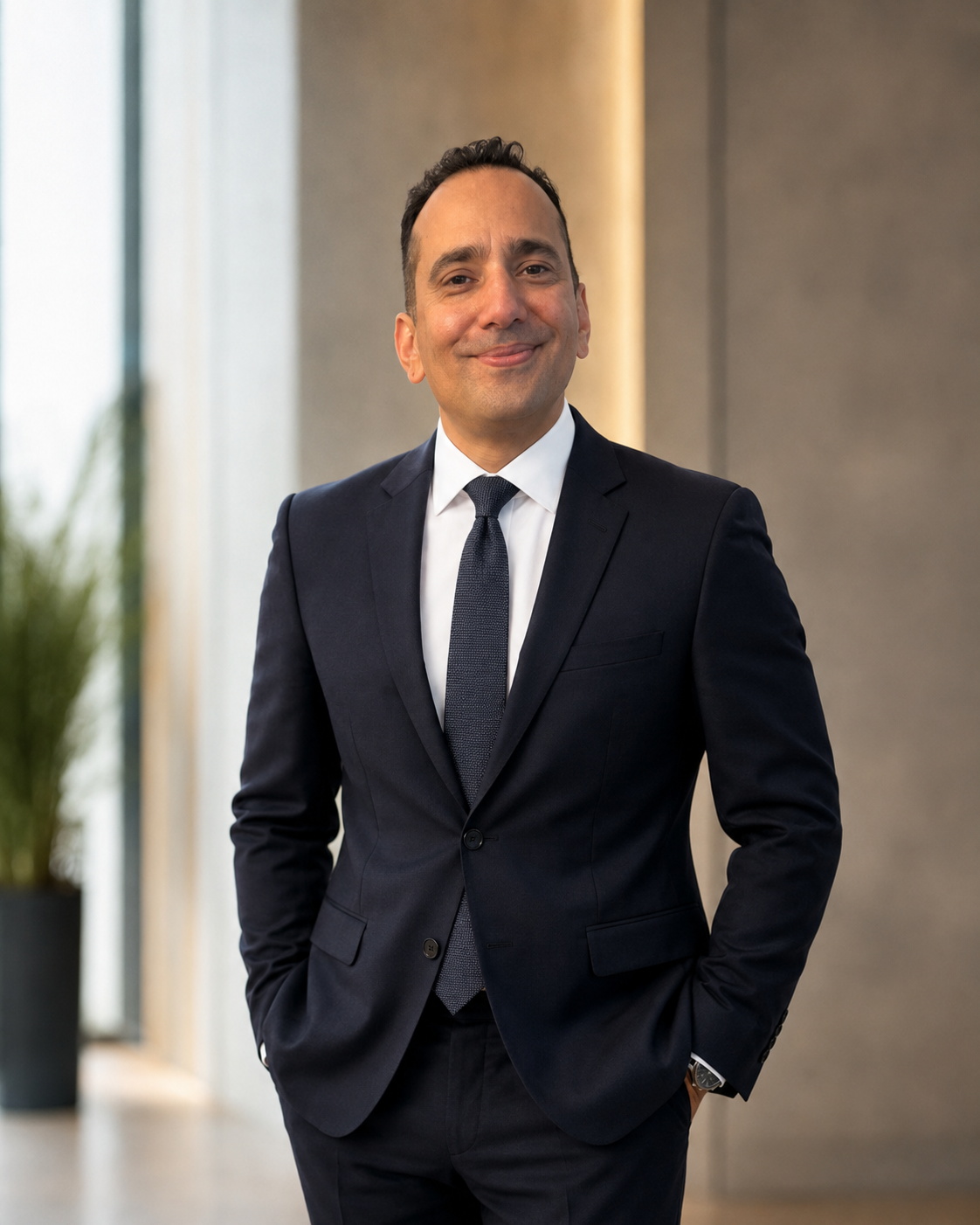
Sunil Choudhary
MARN 2418425
Visa & migration legal guidance: Student visa (500), Student Guardian visa (590), Temporary Graduate visa (485), visa conditions and changing-provider visa implications. Outcomes depend on individual facts and law; no visa or migration outcome is guaranteed.
Book Sunil: free 10-minute migration introduction45-minute migration consultation — $250